Case studies of furniture packaging with stretch film
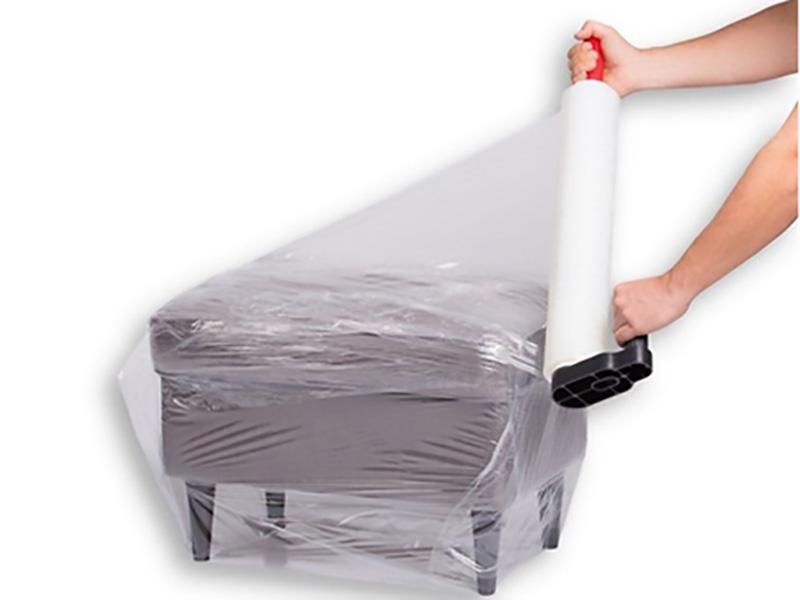
Case of Stretch Film Furniture Packaging: Integrated Protection and Cost Optimization Practice
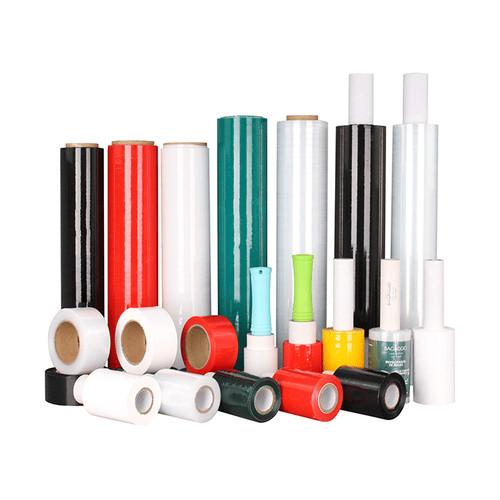
Stretch film has gradually become a core packaging material for standardization and efficiency in the furniture industry. Its application not only enhances the protection level of products but also brings significant logistics and cost optimization benefits.
In-depth analysis of application scenarios
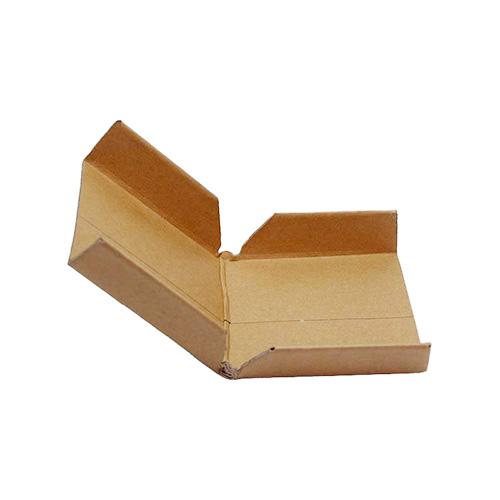
In the packaging of panel furniture, stretch film can firmly integrate multiple layers of boards, hardware and instruction manuals into a compact unit, effectively preventing components from scattering or mismatching during transportation. For solid wood furniture, its excellent puncture resistance, when used in combination with corner pads, can prevent moisture and dust while avoiding scratches on the paint surface. After being wrapped with stretch film, soft furniture (such as sofas and mattresses) can not only resist warehouse dust and transportation stains, but also its moderate shrinkage force can further compress the volume and increase the loading rate of containers.
Key benefit data are reflected
By using stretch film to replace some traditional cartons and fillers, the average cost of packaging materials can be reduced by 20% to 35%, and the packaging efficiency can be increased by approximately 40%. Its transparent feature enables warehouses to quickly identify product models and batches, reducing sorting errors. Meanwhile, the stretch film can be fully recycled, which conforms to the trend of green packaging and helps brands fulfill their environmental protection responsibilities.
Key points of operation
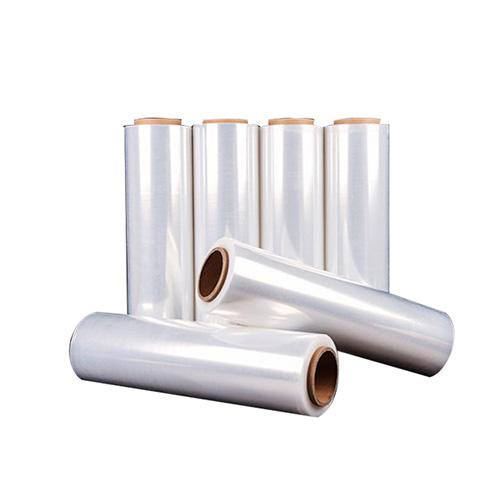
It is recommended to use reinforced stretch film with a thickness of 25-30 microns to ensure tear resistance, maintain uniform tension during winding and cover key force-bearing points. For high-end solid wood furniture, it is recommended to cover it with a layer of soft protective film first and then wrap it.
This solution has successfully helped many furniture enterprises achieve standardized packaging, ensuring zero-damage delivery while significantly optimizing the overall cost of the supply chain.