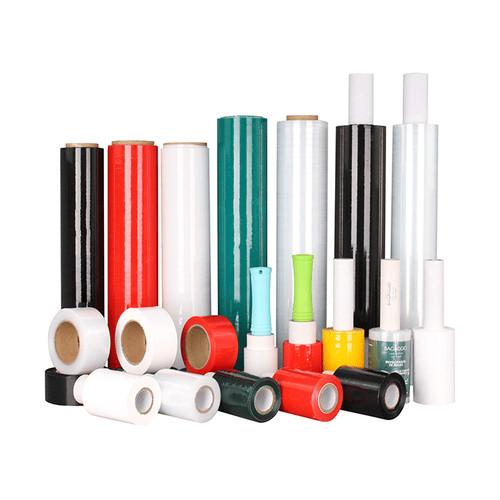
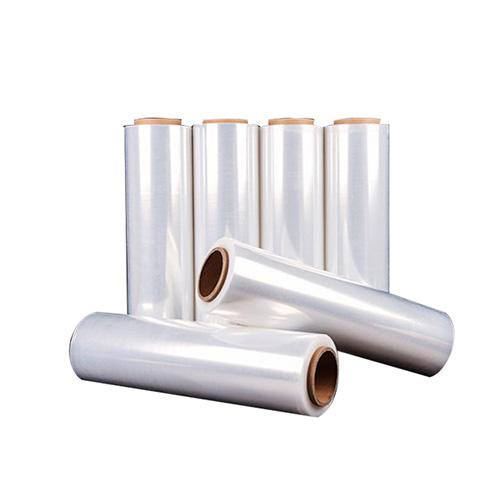
Why is it that for the same thickness, the puncture resistance of stretch film varies so greatly?
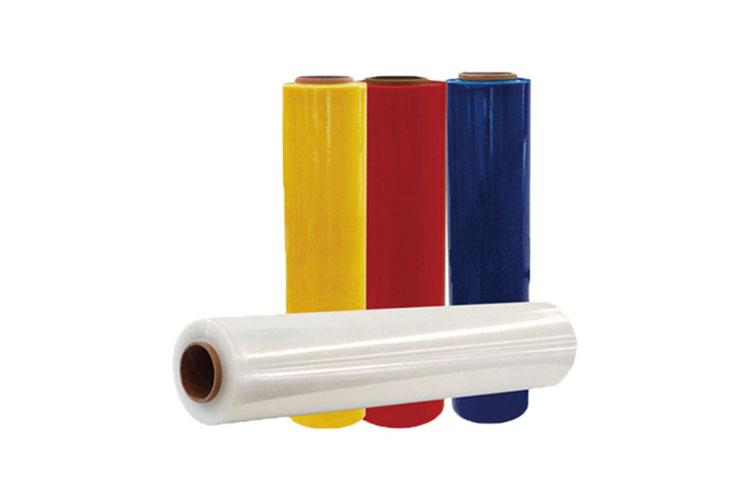
Five core influencing factors for the puncture resistance of stretch wrap film
The puncture resistance of stretch wrap film directly determines its protective ability against sharp goods. This key indicator is not determined by a single factor, but is the result of the combined effect of material formula, production process and structural design.
The five core influencing factors are as follows:
Resin foundation and formula
The quality of the base material resin is fundamental. High-purity and high-molecular-weight linear low-density polyethylene is the mainstream choice. By adding metallocene polyethylene or specific polyolefin elastomers through blending modification technology, the toughness, ductility and tear resistance of the film can be significantly enhanced, enabling it to stretch and deform under force rather than break directly.
Thickness and structural design
Under the same material conditions, an increase in thickness can directly enhance the puncture resistance. Modern technology places more emphasis on designing film structures through multi-layer co-extrusion technology: usually, a high-viscosity surface layer, a high-toughness middle layer and a high-strength core layer are combined to achieve a synergistic protective effect of "rigidity and flexibility in combination".
Production process and molecular orientation
The pre-stretching process is of vital importance. Under controlled conditions, bidirectional or unidirectional stretching of the film can highly Orient and crystallize the polymer chains along the stress direction, forming a dense and tough microscopic network structure. The structure after this "exercise" has a much stronger ability to resist local impact than the loose structure that has not been stretched.
Functional additive
Adding appropriate antistatic agents can reduce the friction between film layers and the adsorption of dust caused by electrostatic adsorption, indirectly lowering the weak points. Some specialized formulas will add trace amounts of nano-fillers to enhance the overall mechanical properties.
Usage conditions and preprocessing
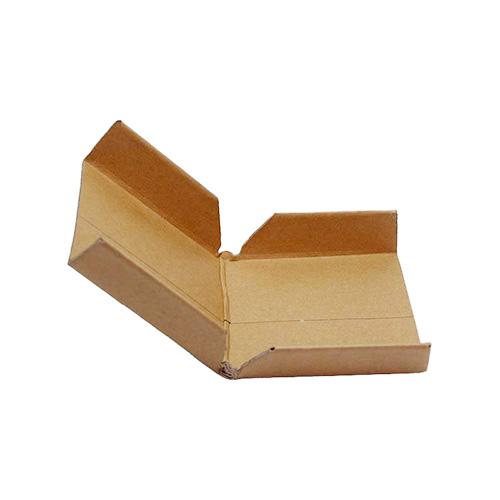
The shape, hardness of the corners of the goods and the ambient temperature are the key external factors. For extremely sharp corners and edges, pre-protection before using the film (such as installing corner guards) is the most effective way to avoid punctures. Low temperatures can make the film brittle. It is crucial to choose a dedicated formula suitable for low-temperature environments.
Conclusion: When choosing high-puncture-resistant films, a comprehensive consideration should be given to their material formula, multi-layer structure, and whether they have undergone pre-stretching process optimization, rather than merely focusing on thickness. High-quality puncture-resistant films are a combination of materials science and precise craftsmanship.