How paper edge protectors bring "green benefits" to corporate carbon accounts
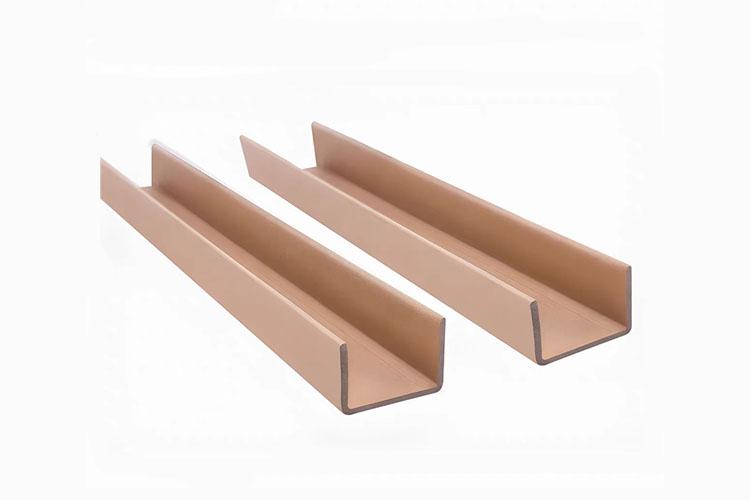
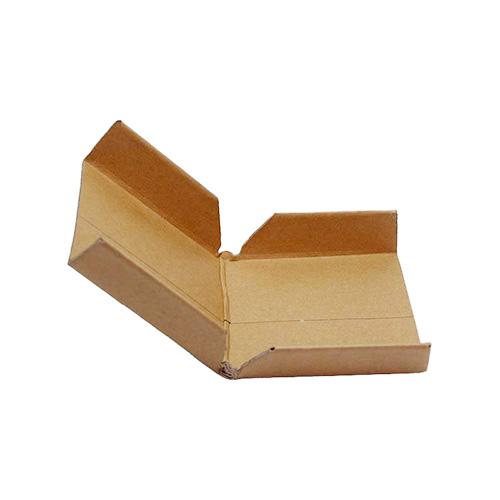
Paper corner protectors: An underestimated low-carbon packaging option
The environmental advantages of paper corner protectors run through their entire life cycle and are an important part of achieving a green supply chain. Their low-carbon attributes are mainly reflected in the following core links:
I. Low-carbon Foundation of Raw Materials and Production
Paper corner protectors are mainly made of recycled kraft paper, and the carbon emissions during their production process are much lower than those of plastic or metal packaging materials. The modern papermaking industry has established a mature resource recycling system. Compared with virgin wood pulp, the pulp used to produce one ton of paper corner protectors can reduce about 1.5 tons of carbon dioxide equivalent emissions and save a large amount of water resources.
Ii. Carbon Reduction Contribution in the Transportation sector
The lightweight feature of paper corner protectors (weighing only 30% to 40% of wooden corner protectors of the same specification) directly reduces transportation energy consumption. Based on the loading capacity of a standard container, the use of paper corner protectors can reduce the consumption of ineffective transport capacity by approximately 15% to 20% compared to wooden corner protectors, significantly lowering the transportation carbon footprint per unit of cargo.
Iii. Closed-loop Advantages of End-of-pipe Treatment
The product can be 100% recycled through the existing waste paper recycling system after use. Its fully degradable property ensures that it will not cause persistent pollution even when entering the natural environment, while the degradation cycle of plastic packaging usually exceeds 200 years. It complies with international green trade standards (such as ISPM15) and avoids chemical pollution caused by fumigation treatment of wooden packaging.
Iv. Comprehensive Benefits of Systematic Application
By effectively protecting goods and reducing the rate of transportation damage, paper corner protectors indirectly decrease secondary carbon emissions caused by product rework, replenishment and disposal. Its structural performance supports more efficient stacking schemes, enhancing the utilization rate of warehousing and transportation space, and further optimizing the overall carbon efficiency of logistics.
Against the backdrop of carbon neutrality becoming a global consensus, paper corner protectors offer a practical option for enterprises pursuing sustainable development that balances protective performance and environmental responsibility through a complete closed loop of "renewable raw materials - lightweight transportation - efficient protection - full recycling".