What is HuleadPack stretch film? What are its applications and advantages?
What is a stretch film? A comprehensive analysis of its core applications and significant advantages
What is a stretch film?
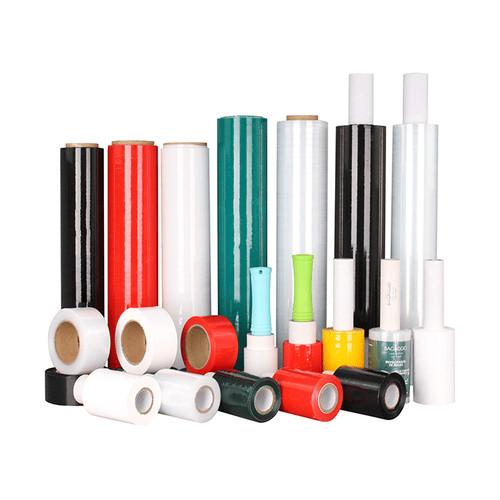
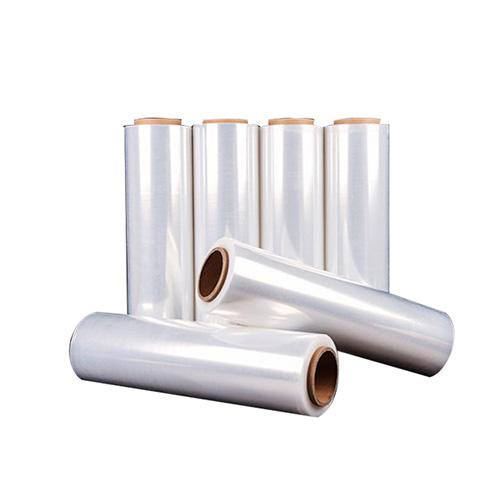
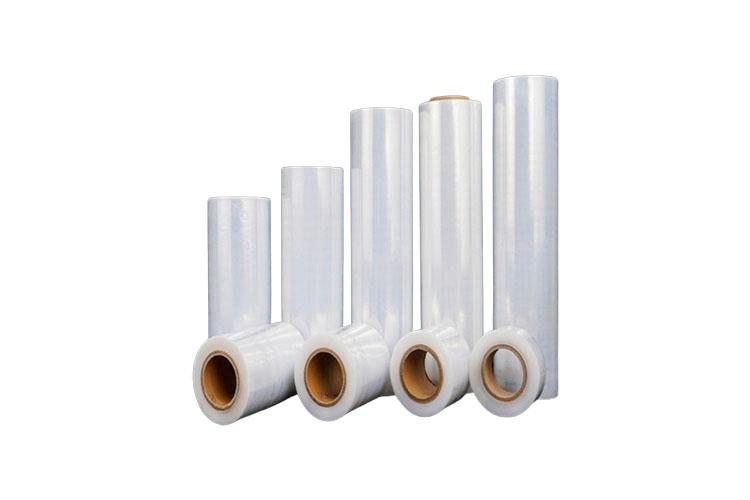
A stretch film (also known as a stretched film or wrap film) is an elastic plastic film made mainly from linear low-density polyethylene (LLDPE). Through a special stretching process, this film has excellent extensibility and memory of recovery, and can be stretched at room temperature and tightly wrap various shaped items, forming a stable and transparent protective layer.
Main application scenarios
Industrial packaging field: Widely used for packaging finished products in industries such as chemicals, building materials, and papermaking, enabling unitized transportation packaging
Logistics transportation protection: Effectively fixes cartons and prevents goods from scattering, resisting vibrations and impacts during transportation
Warehouse protection application: Protects goods from dust and moisture contamination, achieving long-term storage protection
Agricultural product packaging: Used for packaging of silage feed, preservation of vegetables and fruits, etc. in the agricultural field
Daily commercial application: Packaging of fresh food in supermarkets, sorting and organizing of moving items, and fixed storage for daily use
Five Core Advantages
Outstanding Fixed Protection Capability
Through the pre-stretching technology, the wrapped film can generate continuous tightening force, securely combining multiple independent items into a single unit, effectively preventing goods from tipping over or collapsing, with a protection rate of over 95%.
Excellent Waterproof and Dustproof Performance
The multi-layer wrapping forms a completely sealed protective layer, effectively blocking moisture and dust contamination, protecting the product's cleanliness, especially suitable for precision instruments and fragile goods.
Excellent Cost-effectiveness
Compared to traditional methods, the packaging cost is reduced by 30%-50%, and when used with the wrapping machine, it can save labor costs by 60% and improve operational efficiency.
Good Transparency and Identifiability
The high transparency material ensures that product labels and barcodes are clearly visible, allowing for goods identification and inventory without unpacking, improving logistics management efficiency.
Environmentally Friendly and Safety
Modern wrapping films use non-toxic and environmentally friendly materials, meeting food-grade safety standards. Some products can be recycled, reducing environmental burden.
Purchase and Usage Suggestions
When choosing the wrapping film, consider the application requirements:
Hand-wrapping film is suitable for small batches and irregular items
Machine-wrapping film is suitable for large-scale pallet packaging
Pay attention to the elongation rate, puncture strength and weather resistance indicators
Choose the appropriate thickness based on the weight of the goods (commonly 15-25 microns)
Frequently Asked Questions Answered
Q: What are the differences between stretch film and shrink film?
A: The stretch film is wrapped by the elastic force generated through mechanical stretching and does not require heating; while the shrink film needs to be heated by a heat shrink machine to form a tight wrap.
Q: How much weight can the wrapping film withstand?
A: For the regular product, the single-layer capacity is up to 20-50 kilograms. When multiple layers are used for wrapping, it can stably carry more than 1000 kilograms of palletized goods.
As a key material for modern logistics packaging, stretch film has demonstrated remarkable adaptability, significant economic benefits, and reliable protective performance, making it an essential component of standardized packaging solutions in various industries. With the continuous development of packaging technology, high-performance, reduced-weight, and recyclable stretch film products will better meet the requirements of green supply chain construction.