Why are paper corner protectors often used in combination with stretch film?
Rigidity and Flexibility in Harmony: Why Do paper Corner Protectors Often Work in Tandem with Stretch Film?
In the field of logistics packaging, the combination of paper corner protectors and stretch films is hailed as the "golden pair". This coordination is not accidental but stems from the perfect complementarity of their functions, jointly building a solid and stable packaging protection system.
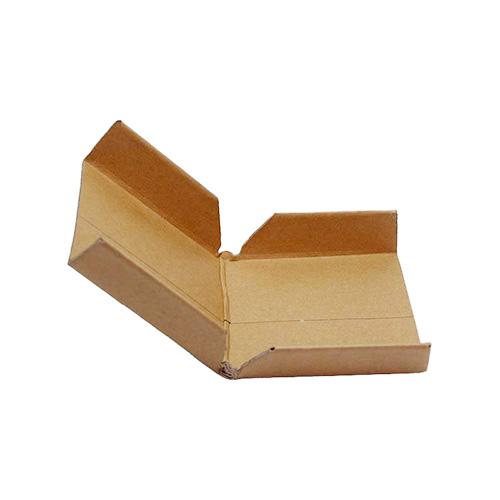
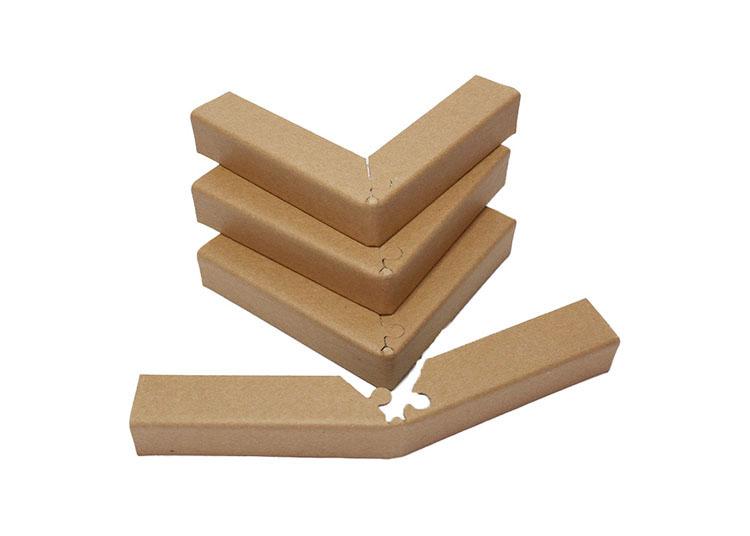
Paper corner protectors: Skeletons that provide "rigid support"
Paper corner protectors are made by pressing layers of kraft paper and have extremely high longitudinal compressive strength. Its core function lies in:
Reinforced edges: Placed at the corners of the goods stack, it effectively resists external impacts and collisions, preventing precious corners from being crushed or deformed during transportation.
Maintain stack shape: It provides a solid framework for irregular or easily deformed goods, just like building a "load-bearing column" for the goods, ensuring stable stacking and preventing tilting.
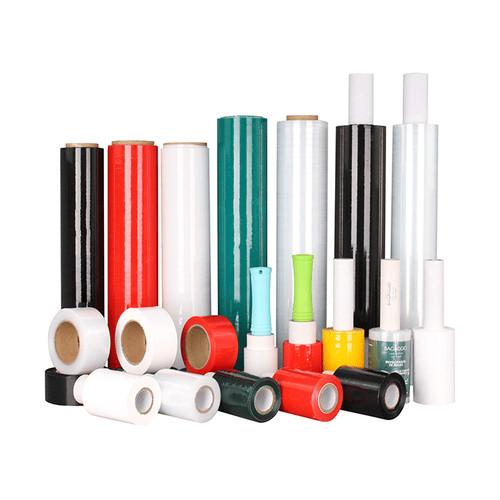
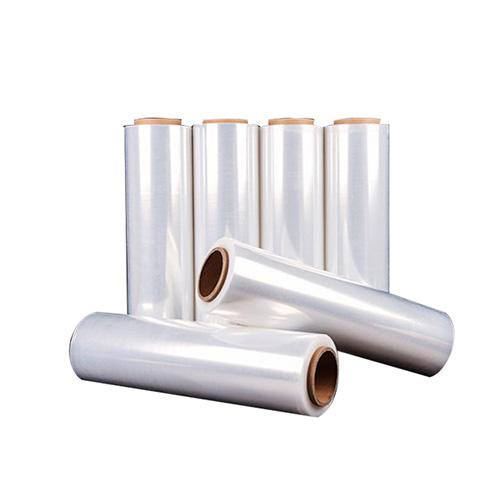
Stretch film: Apply "flexible tightening" to the muscles
Stretch film functions by taking advantage of its excellent stretchability and self-adhesiveness:
Overall tightening: Tightly wrap the entire stack of goods into a single unit, providing uniform tightening force to prevent the goods from scattering and shifting.
Dust-proof and moisture-proof: It forms a protective coat to isolate external factors such as dust and moisture.
Synergy effect: 1+1>2
When the two are combined, paper corner protectors solve the rigid protection at "points" that stretch film cannot provide, safeguarding the most vulnerable corners of the goods. The stretch film firmly binds the paper corner protectors to the goods and solves the overall stability problem on the "surface". This "combination of rigidity and flexibility" strategy has greatly enhanced the overall rigidity and impact resistance of the cargo unit, effectively dealing with complex situations such as jolts and compressions during long-distance transportation. It is a mature and efficient solution for ensuring the safe arrival of goods and reducing the rate of cargo damage.